

Overview
Importance of regular maintenance
Regular maintenance is crucial for the health and beauty of your garden. It helps to prevent the growth of unwanted weeds, promotes proper drainage and soil health, and ensures that your plants receive the necessary nutrients. By regularly maintaining your garden, you can prevent the spread of diseases and pests, improve the overall appearance of your plants, and extend their lifespan. It is a vital step in creating and maintaining a beautiful garden.
Benefits of regular maintenance
Regular maintenance of your garden offers several benefits. Firstly, it helps prevent the spread of diseases and pests, ensuring the overall health of your plants. Secondly, it promotes stronger root growth and increased plant vitality, resulting in more vibrant and beautiful flowers. Additionally, regular maintenance allows you to identify and address issues early on, preventing them from becoming major problems. Lastly, it saves you time and effort in the long run by reducing the need for extensive repairs. By investing time and effort in regular maintenance, you can enjoy a beautiful and thriving garden all year round.
Key elements of regular maintenance
Regular maintenance for beautiful gardens involves several key elements that are essential for the health and beauty of your plants. Testing and analyzing the soil is crucial to understand its composition and nutrient levels, allowing you to make informed decisions on fertilization. Adding organic matter to the soil improves its structure, fertility, and water-holding capacity. Improving soil drainage ensures that excess water drains away, preventing waterlogged soil and root rot. By focusing on these key elements, you can create an optimal environment for your plants to thrive.
Soil Preparation
Testing and analyzing the soil
After testing and analyzing the soil, it is important to take appropriate actions to improve its quality. Adding organic matter such as compost or manure can enrich the soil with essential nutrients. Additionally, improving soil drainage by incorporating sand or perlite can prevent waterlogging and promote healthy root growth. By addressing these soil issues, you can create an optimal environment for your plants to thrive.
Adding organic matter
Adding organic matter to the soil is essential for maintaining a healthy and vibrant garden. Organic matter, such as compost or well-rotted manure, enriches the soil with nutrients and improves its structure. It also helps retain moisture, promotes beneficial soil organisms, and enhances root development. Incorporating organic matter into the soil can be done by digging it into the top few inches or by using it as a mulch around plants. By adding organic matter regularly, you can improve the overall fertility and health of your garden soil.
Improving soil drainage
Improving soil drainage is an essential aspect of regular garden maintenance. Proper drainage helps prevent waterlogging, which can lead to root rot and other plant diseases. There are several ways to improve soil drainage, such as adding organic matter and creating raised beds. Additionally, installing drainage pipes can help redirect excess water away from the garden. By ensuring good soil drainage, you can create a healthy and thriving garden environment.
Pruning and Trimming
Pruning dead or damaged branches
Pruning dead or damaged branches is an essential part of regular garden maintenance. Removing these branches not only improves the overall appearance of the plants, but also promotes healthy growth and prevents the spread of diseases. It is important to use clean and sharp tools to make clean cuts and minimize damage to the plants. Additionally, disinfecting the tools after each use helps prevent the transmission of diseases. Regular pruning also allows for better air circulation and sunlight penetration, which are crucial for the plants’ overall health and vitality.
Trimming overgrown plants
Trimming overgrown plants is an essential part of regular garden maintenance. It helps to maintain the shape and size of plants, ensuring they do not become too large and overpower other plants in the garden. Overgrown plants can also block sunlight and airflow, leading to poor growth and increased risk of disease. Regular trimming promotes healthy growth and allows for better air circulation. It is important to use sharp and clean pruning tools to avoid damaging the plants. Additionally, trimming overgrown plants provides an opportunity to remove any dead or diseased branches, improving the overall health and appearance of the garden.
Shaping plants for aesthetic appeal
One important aspect of regular garden maintenance is shaping plants for aesthetic appeal. By pruning and trimming plants, you can create a more visually pleasing garden. This can involve removing any dead or damaged branches, trimming overgrown plants to maintain their shape, and shaping plants to create interesting and attractive forms. Additionally, you can use topiary techniques to create intricate shapes and designs with your plants. Taking the time to shape your plants will enhance the overall beauty of your garden and create a more harmonious and visually appealing space.
Weed Control
Identifying and removing weeds
After identifying and removing weeds, it is important to take preventive measures to ensure they do not come back. One effective way to prevent weed growth is by using mulch. Mulch acts as a barrier, preventing sunlight from reaching weed seeds and inhibiting their growth. Additionally, applying herbicides when necessary can help eliminate persistent weeds. By implementing these strategies, you can maintain a weed-free garden and keep your plants healthy and thriving.
Using mulch to prevent weed growth
Using mulch is an effective method to prevent weed growth in your garden. Mulch acts as a barrier, blocking sunlight and preventing weed seeds from germinating. It also helps to retain moisture in the soil, reducing the need for frequent watering. Organic mulch, such as wood chips or straw, can also improve soil fertility as it decomposes. By applying a layer of mulch around your plants, you can create a neat and tidy appearance while reducing the time and effort spent on weeding.
Applying herbicides when necessary
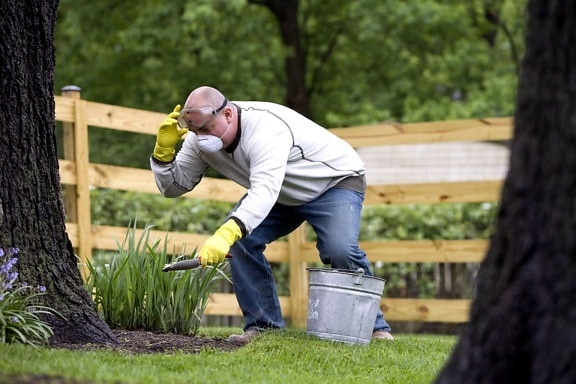
Applying herbicides is an important step in weed control. Herbicides are chemical substances that are specifically designed to kill or inhibit the growth of weeds. When using herbicides, it is important to follow the instructions carefully and use them only when necessary. Selective herbicides target specific types of weeds, while non-selective herbicides can kill any plant they come into contact with. It is important to choose the right herbicide for the type of weed you are dealing with. Additionally, it is important to wear protective clothing, such as gloves and goggles, when applying herbicides to avoid skin contact and inhalation. Remember to always store herbicides in a safe place, out of reach of children and pets.
Conclusion
Maintaining a beautiful garden requires regular maintenance
Regular maintenance is essential to keep your garden looking its best. By regularly tending to your plants, you can prevent disease and pests, promote healthy growth, and maintain the overall beauty of your garden. This includes tasks such as watering, pruning, weeding, and fertilizing. By dedicating a little time each week to these maintenance practices, you can ensure that your garden remains vibrant and flourishing throughout the year.
By following these maintenance practices, you can ensure the health and beauty of your garden
By following these maintenance practices, you can ensure the health and beauty of your garden. Regular maintenance is essential for keeping your garden in top condition. It helps prevent the spread of diseases, controls weed growth, and promotes healthy plant growth. Additionally, regular maintenance allows you to identify and address any issues early on, saving you time and effort in the long run. With proper care and attention, your garden will flourish and become a beautiful oasis for you to enjoy.
Regular maintenance will save you time and effort in the long run
Regular maintenance is essential for keeping your garden looking its best. By regularly tending to your plants, soil, and weeds, you can prevent problems before they arise and maintain a healthy and beautiful garden. Taking the time to perform regular maintenance will save you time and effort in the long run. It’s like an investment in the future of your garden, ensuring that it continues to thrive and bring you joy for years to come.